

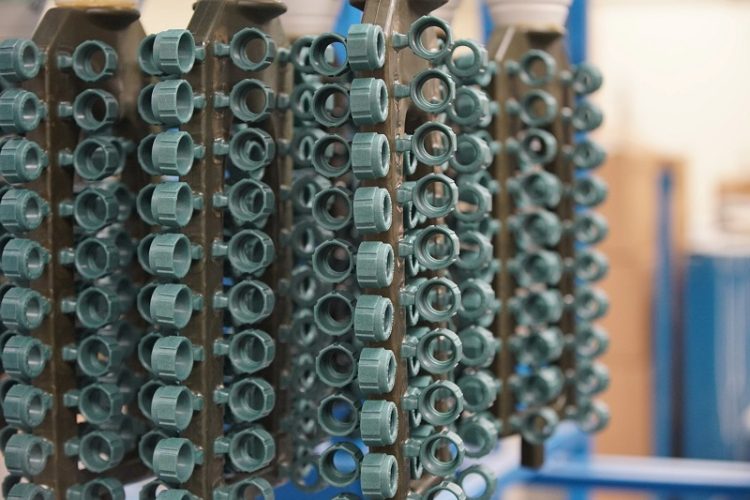
Investment casting is an old manufacturing process that creates detailed metal parts. It has roots in ancient craftsmanship yet remains relevant today. The modern process uses advanced tools and new materials to produce superior results. The aim is to achieve greater accuracy and a smoother surface finish. Modern technology supports this goal with digital design and innovative molds. Each stage now focuses on quality and consistency. The evolution of investment casting shows how tradition and technology can unite. The process continues to serve industries that demand strength and detail.
Emergence of Modern Tools in Investment Casting
Traditional casting relied on manual shaping and wax models. The new era brings digital tools that improve every stage. Computer aided design helps to create accurate prototypes. These designs ensure each mold meets exact standards. Precision grows because models are tested before production. Automation also makes the process faster and more repeatable. Human error decreases with machine guidance and real time control. The outcome is a product that meets strict design rules. Modern tools bring efficiency and reduce waste. They make investment casting a smart manufacturing method.
Role of 3D Printing in Mold Creation
Three dimensional printing has changed mold making. It allows builders to create complex wax or plastic forms. Each pattern has perfect geometry and smooth surfaces. The molds capture every small detail of the design. Printers use precise layers to shape each pattern part. The result is a flawless mold that improves final accuracy. Designers can produce prototypes quickly and adjust them easily. The process saves time and material use. It also removes limits on complex forms. 3D printing gives investment casting flexibility and creative freedom. It builds a link between design vision and real production.
Advanced Parting Agents and Surface Quality
Parting agents make mold release easier and cleaner. Older agents could leave marks or rough patches. New compounds now form thin protective layers. They prevent sticking without harming surface detail. The coating remains stable under heat and pressure. This lets molten metal flow smoothly around fine edges. A clean release means less damage to delicate shapes. It also cuts repair work after casting. The surface stays flawless and uniform. These agents improve production speed and reduce scrap. They mark a step forward in how investment casting achieves beauty and reliability.
Conclusion
Investment casting continues to evolve through smart innovation. The union of digital tools, new materials and advanced agents drives change. Each improvement advances precision and finish quality. The technique now meets the high demands of modern industries. It bridges art and engineering with remarkable results. Every part reflects dedication to detail and strength. The future of metal casting lies in such continuous refinement. Investment casting will keep improving as technology progresses. The process proves that even ancient crafts can grow with science. Modern advancements ensure it remains a vital production method worldwide.
