

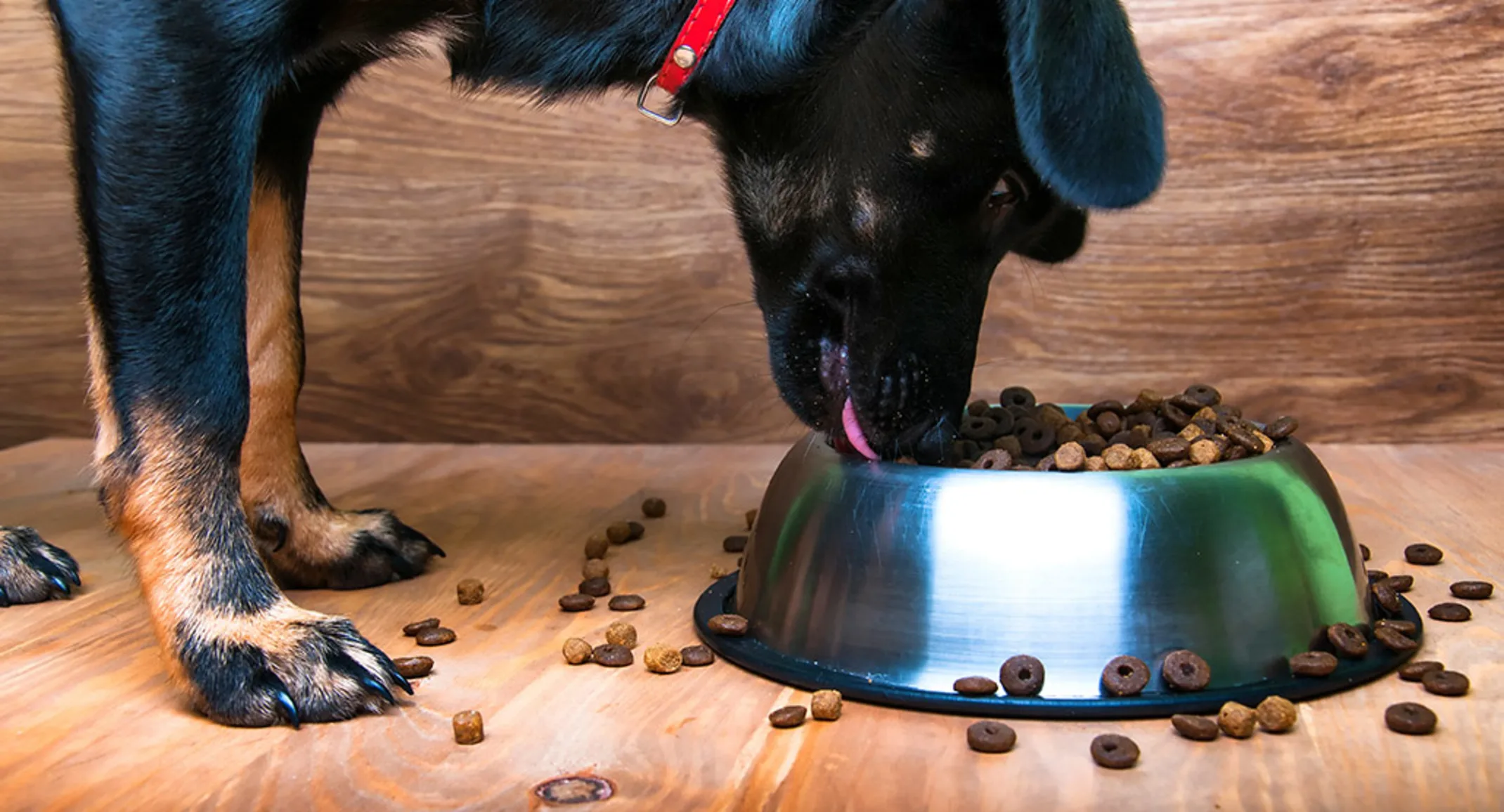
Proper nutrition is one of the most critical factors in maintaining a pet’s health, longevity, and overall quality of life. Just like humans, pets require a balanced diet to support growth, energy levels, organ function, and immune system health. Inadequate or inappropriate nutrition can lead to obesity, digestive issues, weakened immunity, and long-term chronic conditions.
Understanding what your pet needs and making informed dietary choices ensures they remain healthy and active throughout every stage of life.
The Fundamentals of a Balanced Pet Diet
A complete diet for pets includes the right combination of protein, fats, carbohydrates, vitamins, and minerals. Each component plays a unique role in maintaining optimal health:
- Protein: Supports muscle development, tissue repair, and enzyme production. Quality protein sources include chicken, beef, fish, and eggs.
- Fats: Provide concentrated energy and support healthy skin, coat, and brain function. Omega-3 and Omega-6 fatty acids are particularly important.
- Carbohydrates: Offer energy and dietary fiber, which aids in digestion. Whole grains, vegetables, and legumes are common sources.
- Vitamins and Minerals: Essential for immune function, bone health, and metabolic processes. These include calcium, phosphorus, vitamin A, and vitamin E.
- Water: Proper hydration is vital for digestion, circulation, temperature regulation, and organ health. Fresh water should always be accessible.
Providing a diet that includes these elements in the correct proportions is key to maintaining a strong and resilient pet.
Life Stage and Nutritional Needs
Pets have different dietary requirements depending on their age, size, and activity level:
- Puppies and Kittens: Require higher protein and fat content to support rapid growth, energy, and organ development.
- Adult Pets: Diet should focus on maintaining healthy weight, muscle mass, and energy balance. Overfeeding can lead to obesity, which increases the risk of diabetes and joint issues.
- Senior Pets: Often require lower calorie diets, supplemented with nutrients that support joint health, kidney function, and immune system efficiency.
Choosing a diet tailored to your pet’s life stage is crucial for long-term health and quality of life.
Common Nutrition Mistakes Pet Owners Make
Even with the best intentions, pet owners sometimes make mistakes that compromise their companion’s health:
- Overfeeding or Free-Feeding: Providing too much food or leaving food out constantly can lead to weight gain and obesity.
- Feeding Human Food: Many human foods, such as chocolate, onions, grapes, and artificial sweeteners, are toxic to pets. Even seemingly harmless scraps can disrupt digestion.
- Ignoring Allergies or Sensitivities: Pets may develop food allergies or intolerances that cause skin issues, digestive problems, or lethargy.
- Poor Quality Food Choices: Low-quality pet foods may contain fillers, artificial additives, or insufficient nutrients. Choosing high-quality, species-appropriate diets supports long-term health.
Avoiding these common pitfalls helps maintain ideal weight, energy levels, and overall wellness.
The Role of Veterinary Guidance in Nutrition
Every pet is unique, and dietary needs vary based on breed, size, age, activity level, and health conditions. Veterinarians can:
- Conduct a nutritional assessment to determine ideal calorie intake and nutrient balance
- Recommend prescription diets for medical conditions such as kidney disease, diabetes, or food allergies
- Advise on supplements to support joints, skin, coat, or digestive health
- Help design feeding schedules and portion control strategies
Professional guidance ensures pets receive a diet that promotes longevity and reduces the risk of preventable health issues.
For pet owners in need of personalized dietary planning and monitoring, Douglas Animal Hospital provides expert advice, tailored meal recommendations, and ongoing support to maintain optimal pet nutrition.
Feeding Tips for Optimal Health
Implementing practical feeding practices supports healthy digestion, weight management, and overall well-being:
- Consistent Meal Times: Feed pets at the same times daily to promote routine and digestion.
- Portion Control: Use measuring cups or scales to avoid overfeeding.
- Monitor Weight: Regularly weigh your pet and adjust food portions as needed.
- Introduce New Foods Gradually: Sudden diet changes can cause digestive upset. Transition slowly over 7–10 days.
- Hydration: Ensure clean, fresh water is always available; consider wet food or broths for additional fluid intake.
By combining proper nutrition with routine veterinary monitoring, pet owners can prevent common health problems and support long-term vitality.
Conclusion
Nutrition is a cornerstone of pet health. A balanced, species-appropriate diet provides essential nutrients, supports energy and growth, prevents obesity, and strengthens the immune system. Pet owners who understand the fundamentals of proper feeding, avoid common mistakes, and seek veterinary guidance create a foundation for their companion’s lifelong health and happiness.
Incorporating expert advice, high-quality diets, and consistent feeding practices ensures that pets remain energetic, healthy, and resilient throughout their lives. By prioritizing nutrition and working with professionals like Douglas Animal Hospital, pet owners can make informed decisions that safeguard the well-being of their beloved companions.
