

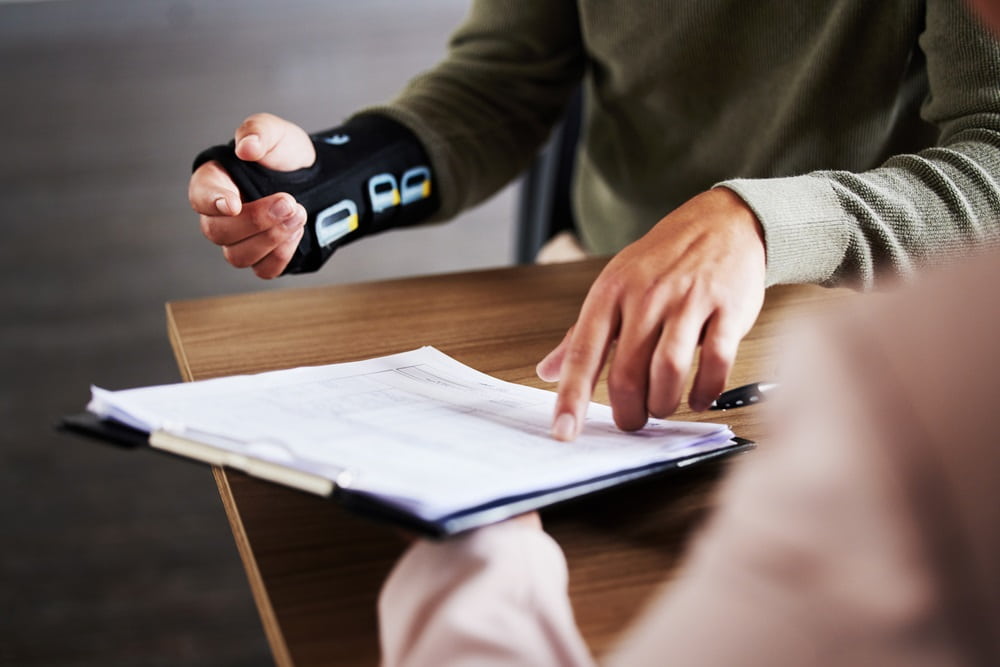
Personal injury cases arise from incidents where someone is harmed due to another party’s negligence or intentional actions. These situations can have serious physical, emotional, and financial consequences. Understanding the common causes of personal injury and taking preventive measures is key to protecting yourself. Knowledge of the legal process also ensures that victims know their rights and can pursue fair compensation if an injury occurs.
Automobile Accidents
Car accidents are one of the most frequent causes of personal injury claims. Factors that often contribute to these accidents include:
- Distracted driving: Texting, phone calls, or other distractions while driving.
- Driving under the influence: Alcohol or drugs impair judgment and reaction time.
- Speeding: Excessive speed increases the severity of accidents.
- Reckless behavior: Aggressive driving, tailgating, or ignoring traffic signals.
- Poor road conditions: Potholes, construction zones, or inadequate signage.
Preventive measures include staying attentive, following traffic laws, avoiding alcohol before driving, and using safety equipment like seat belts.
Slip and Fall Accidents
Slip and fall injuries often occur on private or public property when hazards are present. Common causes include:
- Wet or slippery floors.
- Uneven surfaces, loose tiles, or cracked sidewalks.
- Poor lighting that makes hazards hard to see.
- Obstructions in walkways or cluttered areas.
Property owners have a legal duty to maintain safe conditions. Taking precautions such as wearing appropriate footwear, paying attention to surroundings, and reporting hazards can reduce the risk of injury.
Workplace Injuries
Many injuries occur in the workplace due to unsafe conditions or improper procedures. Common causes include:
- Slips, trips, or falls in the workplace.
- Heavy lifting or repetitive motions leading to musculoskeletal injuries.
- Malfunctioning machinery or equipment.
- Lack of safety training or protective equipment.
Workers should follow safety protocols, use personal protective equipment, and report unsafe conditions immediately. In some cases, injuries may involve third-party liability in addition to workers’ compensation claims.
Medical Malpractice
Medical malpractice occurs when healthcare professionals fail to provide the standard of care, resulting in harm to a patient. Examples include:
- Misdiagnosis or delayed diagnosis.
- Surgical errors, such as operating on the wrong area.
- Medication mistakes or incorrect dosages.
- Birth injuries caused by negligence during labor and delivery.
Patients should seek second opinions when necessary, follow treatment instructions carefully, and retain medical records for documentation in case of legal claims.
Product Liability
Defective or unsafe products can also cause injuries. Common examples include:
- Faulty machinery or equipment.
- Unsafe consumer products, including electronics or toys.
- Contaminated food or beverages.
Consumers should follow product instructions, report defects to manufacturers, and retain proof of purchase and documentation of any injuries. Product liability claims may involve manufacturers, distributors, or retailers.
Steps to Protect Yourself
While accidents can happen, there are ways to minimize risk and prepare in case an injury occurs:
- Be aware of your surroundings: Stay alert while walking, commuting, or driving.
- Follow safety guidelines: Adhere to workplace protocols, traffic laws, and product instructions.
- Document incidents: Take photos, gather witness statements, and keep records of injuries or hazards.
- Seek medical attention immediately: Proper documentation of injuries is critical for any legal claim.
- Consult an attorney: Experienced legal guidance ensures your rights are protected and that deadlines and procedures are properly followed.
Proactive measures can reduce both the likelihood of injury and the impact of any incidents that do occur.
Understanding Your Legal Rights
Personal injury law exists to ensure victims receive compensation when someone else’s negligence causes harm. Depending on the situation, victims may be entitled to:
- Medical expenses for current and future treatment.
- Lost wages due to missed work.
- Compensation for pain and suffering.
- Coverage for property damage.
- Long-term care for permanent injuries or disabilities.
Understanding these rights helps victims make informed decisions and take appropriate action if an injury occurs.
The Role of a Personal Injury Attorney
An experienced attorney can guide victims through the complex legal process, ensuring their rights are protected and maximizing potential compensation. Their services include:
- Case evaluation: Determining the strength of the claim and potential damages.
- Evidence collection: Gathering documentation, witness statements, and expert opinions.
- Negotiation: Communicating with insurance companies to reach fair settlements.
- Litigation: Representing clients in court if necessary.
- Support and advocacy: Ensuring that the client’s interests remain the priority throughout the process.
Legal guidance is essential, as insurance companies often aim to minimize payouts or dispute liability.
Conclusion
Personal injury cases can arise from a variety of circumstances, including car accidents, slip-and-fall incidents, workplace injuries, medical malpractice, and defective products. Understanding the common causes of injuries and taking proactive steps to protect yourself can reduce risk and prepare you for potential legal action. In the event of an injury, consulting a skilled attorney ensures that your rights are safeguarded and that you have the best opportunity to recover fair compensation. For those seeking professional support in navigating personal injury claims, Chicklo Law Group offers experienced legal representation, helping clients understand their rights and achieve the outcomes they deserve.
