


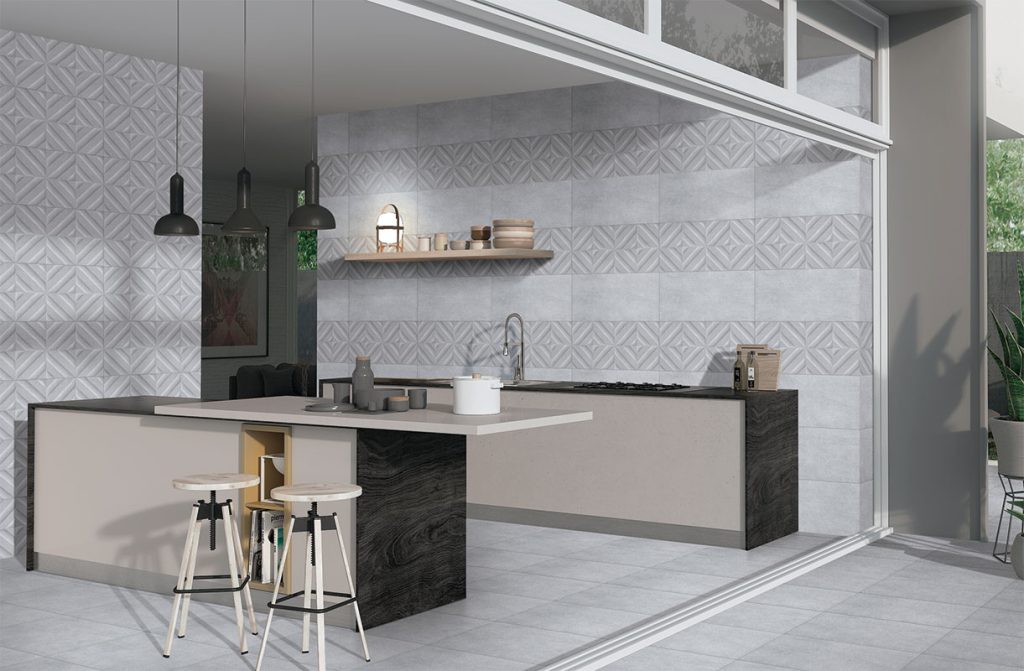
Choosing the right tiles for your kitchen involves more than picking a color or pattern. It’s about finding the right material, finish, and durability to suit two very different areas—backsplashes and floors. Each surface comes with unique demands, and the ideal tile for one may not work as well for the other. Understanding these differences can help you create a kitchen that’s both functional and stylish.
Let’s compare the top kitchen tile options for backsplashes and floors to help you make the best choice for your space.
Comparison Chart: Backsplash vs. Floor Tile Needs
| Feature | Backsplash Tiles | Floor Tiles |
| Primary Function | Protect wall from moisture & stains | Withstand foot traffic and heavy use |
| Surface Preference | Smooth/glossy for easy cleaning | Textured or matte for slip resistance |
| Tile Size | Small to medium (mosaics, subway tiles) | Medium to large (12×12″, 12×24″, etc.) |
| Design Flexibility | High—bold colors and patterns welcomed | Moderate—neutral tones preferred |
| Durability Needs | Moderate—limited wear | High—abrasion, impact, stain resistance |
Best Tile Materials for Backsplashes
1. Ceramic Tiles
Ceramic tiles are the go-to for kitchen backsplashes due to their versatility and affordability.
Pros:
- Easy to wipe clean
- Wide range of colors and patterns
- Budget-friendly
Best For: Homeowners looking for a colorful or classic subway tile installation.
2. Glass Tiles
Glass tiles reflect light beautifully and add a modern touch.
Pros:
- Non-porous and stain-resistant
- Stylish, light-enhancing effect
- Available in mosaic formats
Best For: Sleek, contemporary kitchens with minimalist or high-gloss designs.
3. Porcelain Tiles
Porcelain offers extra durability and refined finishes, suitable for both walls and floors.
Pros:
- More durable than ceramic
- Water- and heat-resistant
- Looks like stone or marble
Best For: Unified backsplash and floor designs or a luxurious look.
Best Tile Materials for Kitchen Floors
1. Porcelain Tiles
Porcelain leads the way in flooring because of its density and strength.
Pros:
- High resistance to wear, moisture, and impact
- Low maintenance
- Slip-resistant options available
Best For: Busy households and open-concept kitchens with heavy foot traffic.
2. Natural Stone Tiles
Stone tiles like slate, travertine, or marble add texture and timeless appeal.
Pros:
- Unique, organic patterns
- High durability
- Adds value to the property
Cons: Needs sealing and regular maintenance
Best For: Upscale or rustic kitchens that prioritize visual character.
3. Wood-Look Ceramic or Porcelain
These combine the beauty of wood with the strength of tile.
Pros:
- Ideal for warm, inviting kitchens
- Durable and easy to clean
- Resistant to moisture and scratches
Best For: Homes blending classic charm with practical surfaces.
Coordinating Backsplash and Floor Designs
While the materials for each area may differ, design harmony is key. Consider:
- Color coordination: Match undertones between floor and backsplash tiles
- Pattern balance: Pair bold backsplash designs with subtle floors (or vice versa)
- Finish variety: Use contrasting textures for depth and interest
Retailers like Céramique au Sommet kitchen tiles offer curated collections that make it easier to coordinate backsplash and floor tiles without compromising on function or aesthetics.
Conclusion
Choosing the best kitchen tiles means considering both where and how they’ll be used. While backsplashes offer room for creative expression, floors demand resilience and slip resistance. By understanding the strengths of different tile materials and coordinating design elements, you’ll achieve a kitchen that performs beautifully and looks stunning for years to come.

