


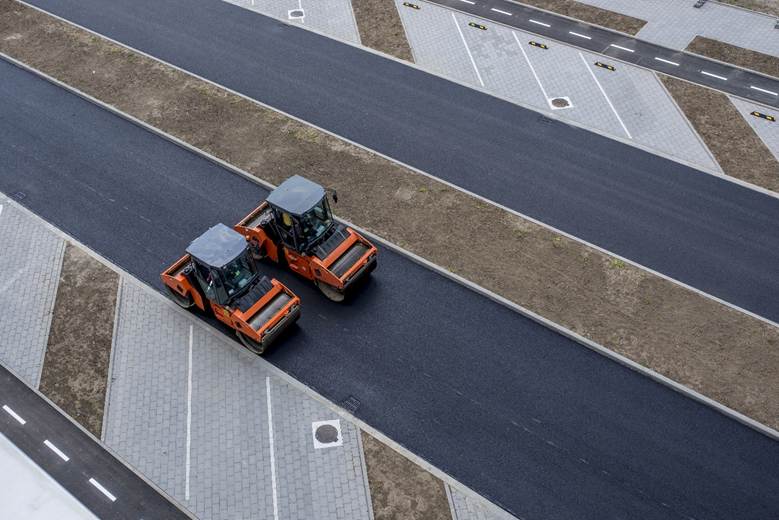
A pavement’s early life is affected by the weather. Temperature affects how quickly asphalt cools, at what point the temperature allows the pavement to be compacted, and at what point it reaches a usable strength. For contractors and individuals, getting the temperature right can mean the difference between a satisfactory surface which does not rut, ravel, or crack too soon.
What Is Asphalt Curing?
“Curing” is that period of time when a freshly laid mat of hot asphalt acquires stability following placing and rolling. With hot mix asphalt, most of the early strength comes from the cooling of the material. As the temperature of the mixture goes down the adhesive adheres more firmly and the skeleton of aggregate becomes thoroughly locked together. The compaction during the cooling process forces out air ways and increases the density of the pavement, which is of utmost importance in its durability.
To know more, follow this link https://www.quora.com/What-is-curing-in-asphalt.
Curing is distinctly different from “setting,” and also from “aging.” Setting is that brief period when the mat cools sufficiently to resist being scuffed. Aging is a gradual oxidation extending for months and years, which gives stiffening to the binder. Where chip seals and surfaces of emulsion are used, curing involves the evaporation of moisture, while in structural hot mix asphalt it is both known and a controlled cooling and stability with respect to the traffic when completed.
Cold vs. Hot Paving Conditions
The paving of asphalt in cold or hot weather affects both the speed of cooling and the workable time for rolling. Paving in cold air or over a cold surface causes the mat as laid to part with its heat readily, causing it to acquire too great a rigidity before completing the breakdown roll. On the other hand, under abnormal hot conditions where the mat remains tender too long, there will be improvement in the compaction, but there will be an increased risk in the matter of deformation, at intersections, etc., and in lanes where the travel is slow.
Check this site for better understanding of their characteristics.
Prior to changing crew setups, it is advantageous to schedule the mix and job controls with the season. The type of binder used, lift thickness, wind speed and job distances have an important bearing on this also. Crews will adjust the timing of the rollers and number of passes to obtain results.
- Cold windy days shorten compacting periods, and thin lifts cool the quickest and have the largest danger of being under density.
- Hot afternoons lengthen period, but the danger of shoving and pickup at tight turns or stop and go locations is greater.
- Warmer grades of asphalt binder and thicker lifts hold heat longer. Colder grades and thin lifts have a greater tendency to cool quickly.
- The pattern of rolling is important. Choosing and staging the right type of equipment to save aggregate in the mat while the mat is still workable, is necessary.
- Temperature of the base is of utmost importance. A cold, damp base sucks the heat from the mat and finishing becomes a minimum.
Setting Time Explained
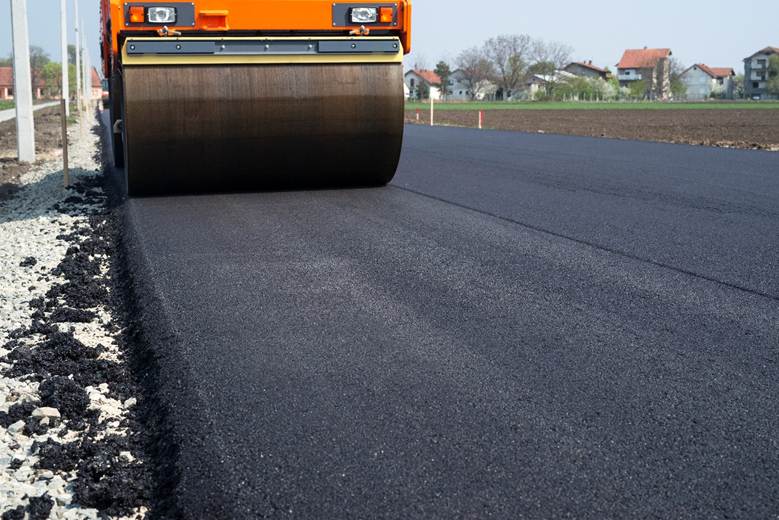
The setting time is defined as the time intervening between the time of placing material and the time at which a surface can receive light ingress of traffic without marring. On driveways and light duty parking lots this will often mean pedestrian traffic on the mat between the time of cooling of the mat and the time of completion of the original rolling, while light weight vehicles will be allowed on after further cooling. Heavier traffic usually requires a longer period and the conditions about intersections or turning areas require more waiting time. The application of shear stress is greater at these points.
Local relationships will cause the correct timing and staging to be maintained. Experienced crews—like asphalt contractor Anaheim Shores—coordinate plant temps, haul times, rolling sequences to achieve uniform set and early strength in neighborhood environments.

Moisture and Temperature Effects
Hot materials are trouble. A cool mat placed on damp or cold subgrades will trap moisture at the interface, which will spoil the bond, with the resulting stripping. Dew, fog or light rain falling on the surface during construction will increase cooling and may cause surface blotches or open texture. Wind causes another variable. By increasing convective losses of heat, it causes uneven drying of the surface.
Because of the hinderances outlined above, moisture necessitates staging. The use of haul tarps, dry substrates and good drainage will cause the interface to be sound. After the surface has matured, timely sealcoating and good maintenance will serve to protect the surface against UV and moisture penetration, thus maintaining the density gained during compaction.
How to Speed Up Curing
Curing quicker never means scarifying density or long-term life. Paraphrasing words used by Hooker on unanticipated heat, effective control means to have exacting management of heat, time, and traffic so that the mat preclimbs no unnecessary degree of cooling without mat stability. Planning starts Lock, Stock, and Barrel before trucks leave the plant and is continuous until the last finish pass at the paver.
- Schedule paving for the hottest part of the day when possible; avoid strong winds that strip heat from the mat.
- Precondition the base: keep it dry, and, unless impracticable, warm it by the rays of the sun or by a brief (often repeated) screen surface pass to lessen thermal shock.
- Improve plant-to-paver timing by tarped loads and efficient routing so that hot and uniform mix arrives.
- Choose materials intelligently: match lift thickness with the seasons and asphalt binder grades or warm mix uses, as may be, to lengthen workable time of mix without overheating it.
- Select proper roller types and patterns; ensure breakdown, intermediate, and finish passes occur within the temperature window. Verify results by density spot checks.
- Control edges and joints early; do compact longitudinal joints while warm but retain heat on both sides; this will stave off future separation.
- Open to traffic only after the coatings have cooled sufficiently to resist scuffing; manufacture tight turning areas a little longer to stave off surface shear.
Proper treatment of temperature as a manageable variable by forward planning, materials to mix and practice in the field, will give the fresh surface the finest chance for early acquisition of strength and long-term vitality.

