


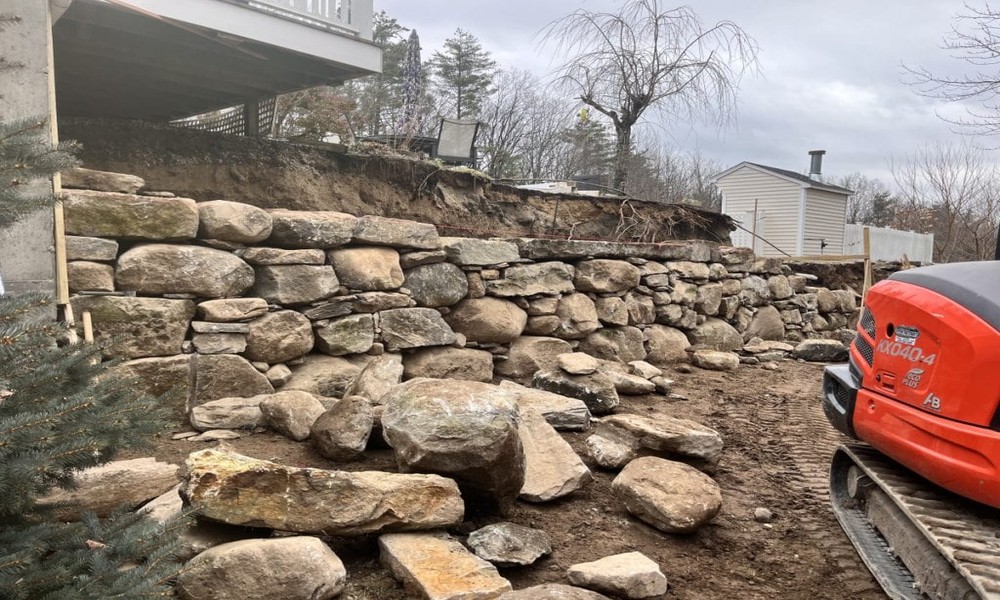
Stone foundations are a defining feature of many older homes across New England, but decades of moisture exposure, settlement, and weather cycles can gradually affect their condition. Homeowners often notice deteriorating mortar, wall movement, or visible cracks and wonder what restoration actually involves. The challenge is understanding how modern restoration addresses these issues while preserving the character of an older home. This article explains the essential steps behind today’s restoration process and how professional services approach foundation recovery.
Step 1: Complete Foundation Evaluation
Every restoration project starts with a detailed assessment of the foundation. Contractors examine stone condition, mortar joints, drainage patterns, settlement signs, and structural movement to understand what is causing the problem. This evaluation helps determine whether the foundation requires localized repairs or a broader restoration plan.
Many homeowners researching foundation solutions come across services such as Ram Jack New England stone foundation repair, as an example of how specialists assess aging foundations before recommending corrective measures. A thorough diagnosis helps prevent repairs that address symptoms while leaving underlying causes unresolved.
Step 2: Identify Structural and Moisture-Related Causes
Successful restoration depends on understanding why deterioration occurred in the first place. Moisture intrusion, poor drainage, soil movement, and aging mortar can all contribute to foundation problems. Addressing these causes helps create a stronger foundation for future repairs.
Settlement Conditions
Uneven soil movement can place stress on foundation walls and supporting structures. Contractors evaluate settlement patterns to determine whether movement remains active or has stabilized. This information helps guide repair decisions.
Water Management Concerns
Water accumulation around a foundation can accelerate deterioration. Drainage evaluations help identify grading issues, gutter problems, or moisture pathways that affect masonry performance. Correcting these conditions supports long-term stability.
Step 3: Restore Mortar Joints and Masonry
Mortar serves as the binding material that helps stone foundations function as a unified structure. As mortar ages, it may crack, separate, or lose strength. Restoration professionals remove deteriorated material and install new mortar designed to support the existing masonry.
This process, commonly known as repointing, helps improve structural integrity while preserving the appearance of the original foundation. Proper mortar selection is important because older stone foundations frequently require materials that are compatible with historic masonry construction.
Step 4: Stabilize Areas Affected by Movement
Some foundations require additional stabilization when settlement or wall movement has affected performance. Contractors evaluate load distribution and identify areas that need reinforcement. Stabilization methods vary depending on foundation design, soil conditions, and the extent of movement.
A common scenario involves a section of foundation that settles more rapidly than the surrounding structure. Corrective measures help restore support while reducing the risk of continued movement. The goal is to improve structural reliability without unnecessary replacement of existing materials.
Step 5: Establish a Long-Term Preservation Plan
Modern restoration does not end when repairs are complete. Ongoing maintenance helps protect the foundation and reduce the likelihood of future deterioration. Periodic inspections, drainage management, and moisture control all contribute to long-term performance.
Professional restoration services help homeowners identify developing concerns before they become major repair projects. Homeowners researching restoration options usually review examples such as Ram Jack New England stone foundation repair to learn more about preservation methods and foundation stabilization strategies used for older homes throughout New England.
Modern stone foundation restoration follows a process that combines evaluation, cause identification, masonry repair, stabilization, and long-term maintenance planning. Each step addresses a specific aspect of foundation performance while supporting the structure as a whole. Understanding this process helps homeowners evaluate repair recommendations with greater confidence. When restoration becomes necessary, professional guidance can help determine the most practical path toward preserving an aging stone foundation for years to come.

